Trainspotting With The Man Who Runs Amtrak

When I bumped into Amtrak President Joe Boardman outside Albuquerque’s faux-adobe station, his wife scanned the trackside vendor tables stocked with jewelry, souvenirs and burritos.
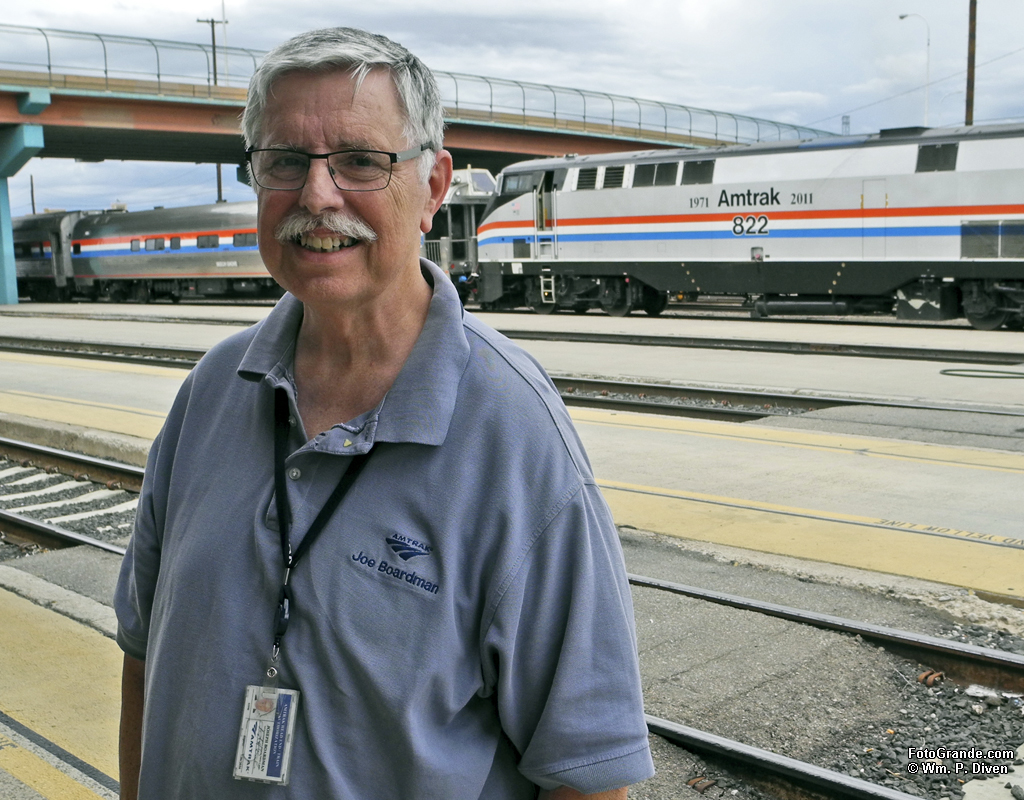
Amtrak President Joe Boardman in Albuquerque.

Amtrak President Joe Boardman in Albuquerque, Aug. 5, 2016. Photo © William P. Diven. (Click to enlarge)

Business is good for those New Mexico entrepreneurs when Trains No. 3 and 4, Amtrak’s Southwest Chief, are on time leaving Lamy, the rural stop for Santa Fe, and Gallup in the red-cliffed Indian Country almost to Arizona. With timetables padded to help maintain the schedule, on time at Lamy and Gallup usually means early into Albuquerque in late morning going east and late afternoon chasing the sunset.

That gives passengers from Chicago, Los Angeles and 31 big and small places in between an hour or so to walk around as the trains take on fuel and change crews. At the moment the only customers are a few would-be Amtrak passengers and a handful of people off Boardman’s special train, and he’s wondering where both of his Southwest Chiefs are. They should have been here by now with one of them already long gone.
Continue reading

Rambling The West Coast By Rail

Railroaders operate by a minutely detailed rulebook with one unwritten rule strictly enforced: Late trains get later.

That describes Amtrak on a 2015 roundtrip from Albuquerque to Oregon by way of Los Angeles. But not in this summer of 2016.

Instead two trains covering 2,201 miles on one-way tickets reached both destinations early with only a little fuss along the way. It’s how America’s private passenger rail system operated into the mid 20th century and still does when everything clicks. No ailing equipment, decrepit track, disruptive passengers, dangerous weather or lame dispatching by a host railroad blew up the schedule with hours-late arrivals and missed connections.

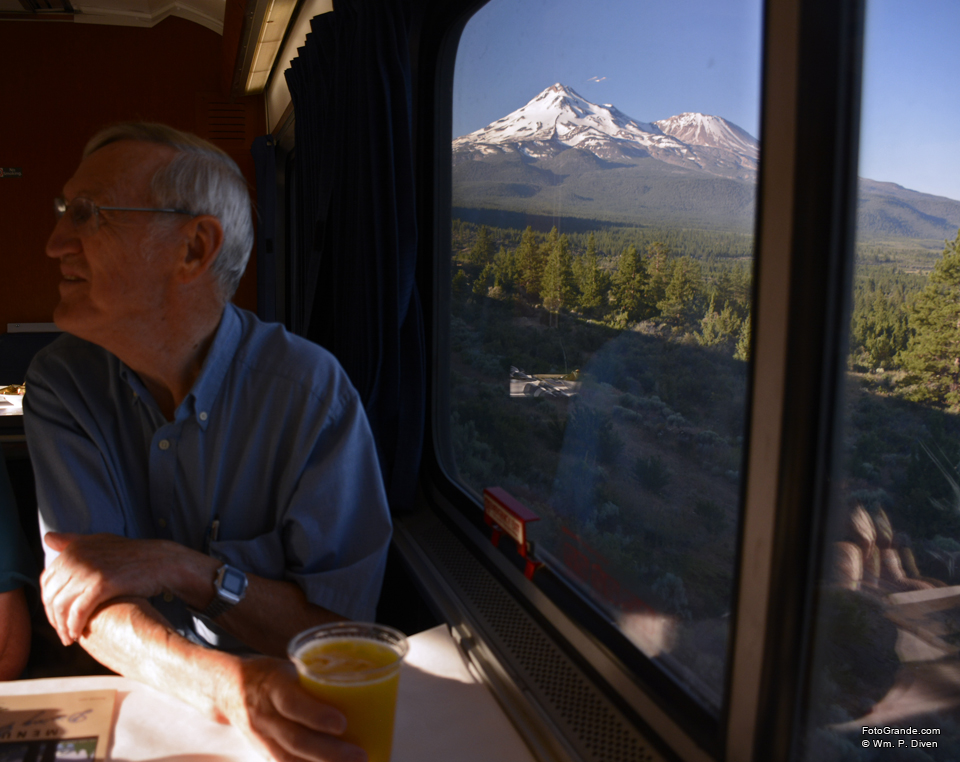
Breakfast on the northbound Starlight in 2015 came with a view of Mount Shasta. Photo © William P. Diven. (Click to enlarge.)

Breakfast on the northbound Starlight in 2015 came with a view of Mount Shasta. Photo © William P. Diven. (Click to enlarge)

The worst to be said of travels this July is the Coast Starlight café-lounge ran out of Scots whisky before we reached Los Angeles. That’s what I told Amtrak President Joe Boardman when we met trackside in Albuquerque a few weeks later. I also said I owed him a positive story and now had the material to post one. Continue reading

Peace, Play and ‘Questionable Amusements’ on Phantom Lake

As I packed to leave Phantom Lake YMCA Camp at the end of the 1968 summer sessions, I told more than few co-workers, “See you next year.” A false statement, I would discover, although not intentionally so as these were times of many surprises.

What looked to be a fun summer on a Wisconsin lake began with a predawn wakeup in New Mexico on June 5 for a trip down Interstate 10 made anxious by my pending first time in the air, American Airlines El Paso to Chicago. I preferred trains, but after solo rides the two previous summers, the Santa Fe that spring annulled our passenger train after 87 years.

As my mother cruised past a commercial truck mangled overnight in the median, presidential candidate Robert Kennedy lay on a surgical table in Los Angeles with bullet fragments in his head. I only learned of this latest political shooting after a 100-mile bus ride from O’Hare to where a cousin from my Illinois hometown could pick me up. By then Kennedy had only hours to live.

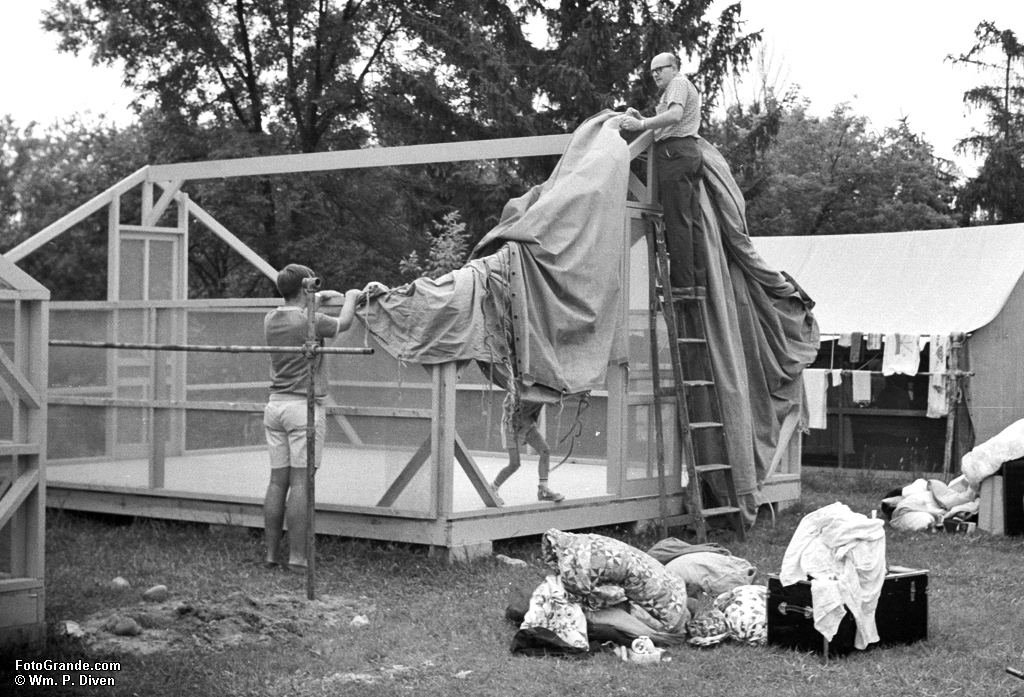
Counselor Keith Christensen on the ground and Phantom Lake YMCA Camp director Sir Gerald Carman on the ladder place the canvas top and sides on a new tent floor and frame. Summer 1968. Photo © William P. Diven. (Click to enlarge)

Counselor Keith Christensen on the ground and Phantom Lake YMCA Camp director Sir Gerald Carman on the ladder place the canvas top and sides on a new tent floor and frame. Summer 1968. Photo © William P. Diven. (Click to enlarge)

Continue reading

Fear For Sale; Get Yours While It Lasts

That giggling you hear is terrorists watching our public discourse stampede us off a cliff like so many frightened sheep.

Given our paranoid past, we should know better after banning Chinese in the 1800s and rounding up Reds in 1919, drinkers in the ’20s, wanderers in the ’30s and citizens of Japanese descent in the ’40s.

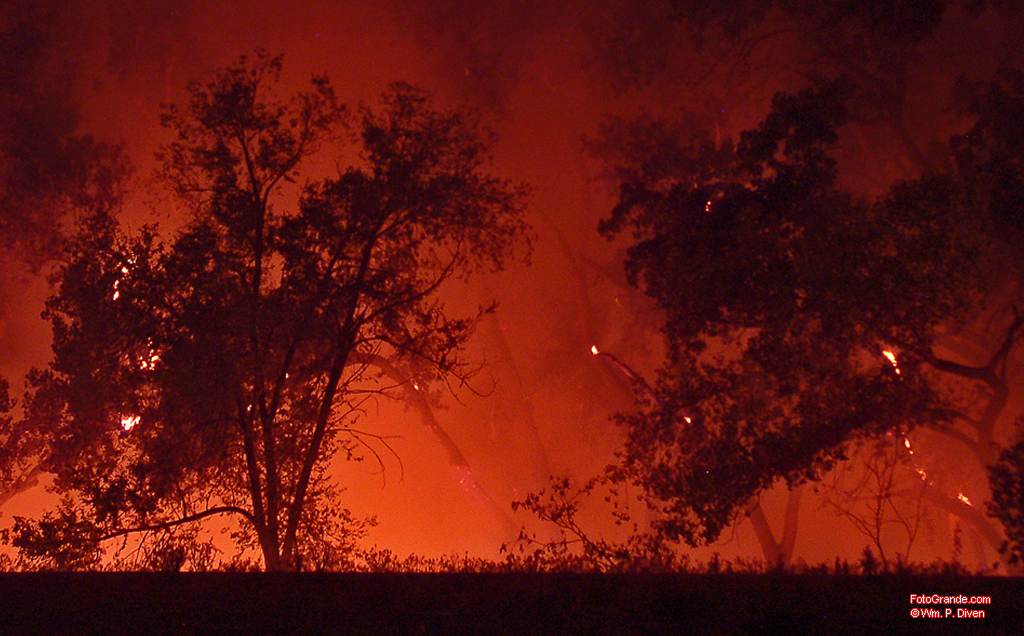
Photo © William P. Diven

Photo © William P. Diven

In the ’50s we hunted communists under our beds while suspecting the folks next door. In the ’60s Abbie Hoffman’s threat to levitate the Pentagon spun J. Edgar’s FBI knickers into a twist. Popular belief in the ’70s, at least in my circle, held disco would trigger the apocalypse.

Continue reading

Reefer Madness And The Bootlegger’s Grandson

My companion’s eyes bugged out in a Looney Tunes SPROING!! when we stepped into a Colorado marijuana store with product samples arrayed across the counter.

This can’t be legal, she said. Ah, but it is.

I was less thunderstruck having seen something similar while on assignment in Amsterdam where sidewalk shop windows display sex for sale while the scent of craft buds pools behind the doors of coffee shops across the city.

Not bird seed but 62 kilo bricks of marijuana ready for the federales' bonfire in Ciudad Juarez, Mexico. Photo © William P. Diven.

Not bird seed but 62 kilo bricks of marijuana ready for the federales’ bonfire in Ciudad Juarez, Mexico. Photo © William P. Diven. (Click to enlarge)

A few months before the trip to Colorado, we were visiting the west coast of Oregon on the day recreational marijuana became legal there. You could now have 8 ounces and four plants at home and 1 ounce on you while out and about. Voters in a statewide referendum made the change effective July 1 although it took a little political magic to start sales in October instead of sometime next year.

Continue reading

Spinning U.S. History Until We’re Dangerously Dizzy

Symbols do matter whether it’s the flag of rebellion or the swastika of genocide. Take it from someone who’s been on the losing end of one of those arguments.

History matters as well, and we place our country at risk without consensus on the facts and meanings of our shared experience in all its glory and pain.

Our-heroes

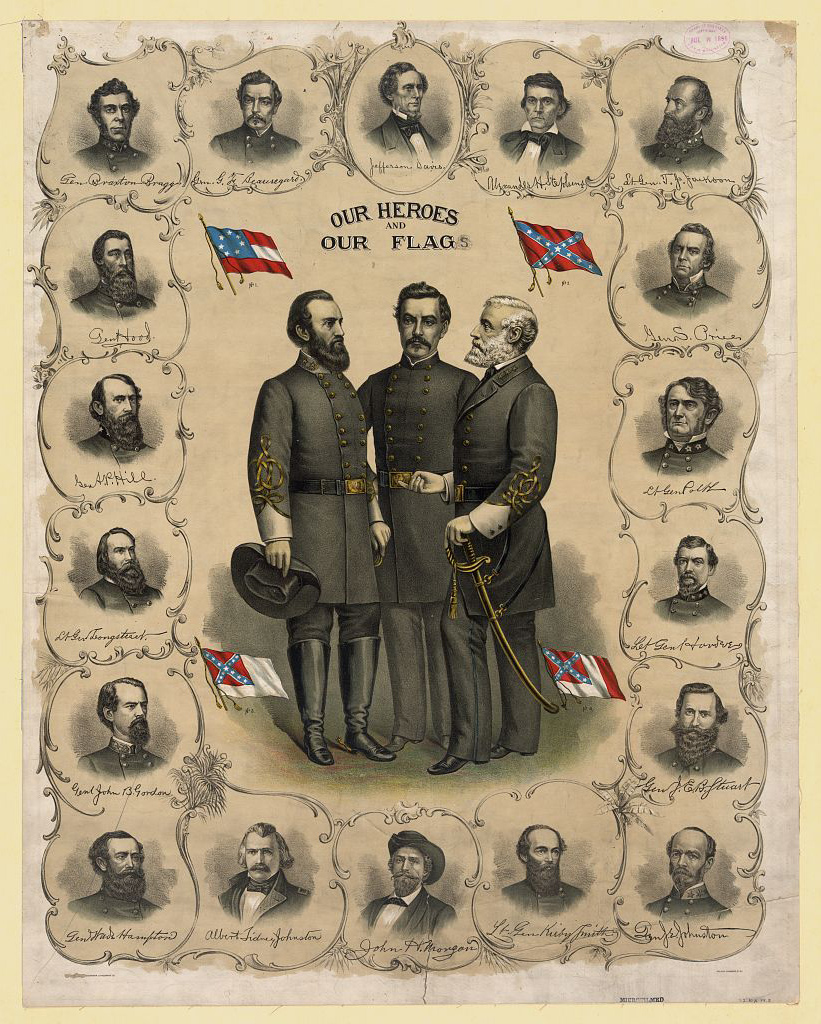
Confederate generals (from left) Stonewall Jackson, P. G.T. Beauregard and Robert E. Lee in “Our heroes and our flags,” Southern Lithograph Company, ca. 1896. Library of Congress Prints and Photographs Division, reproduction number LC-DIG-pga-03338. (Click image to enlarge)

Continue reading

Bashing the Bearers of Bad News

While I miss some aspects of the 1970s, my hair and the Allman Brothers Band, for example, the Nixon zombies roaming Albuquerque City Hall are not welcome here in 2015.

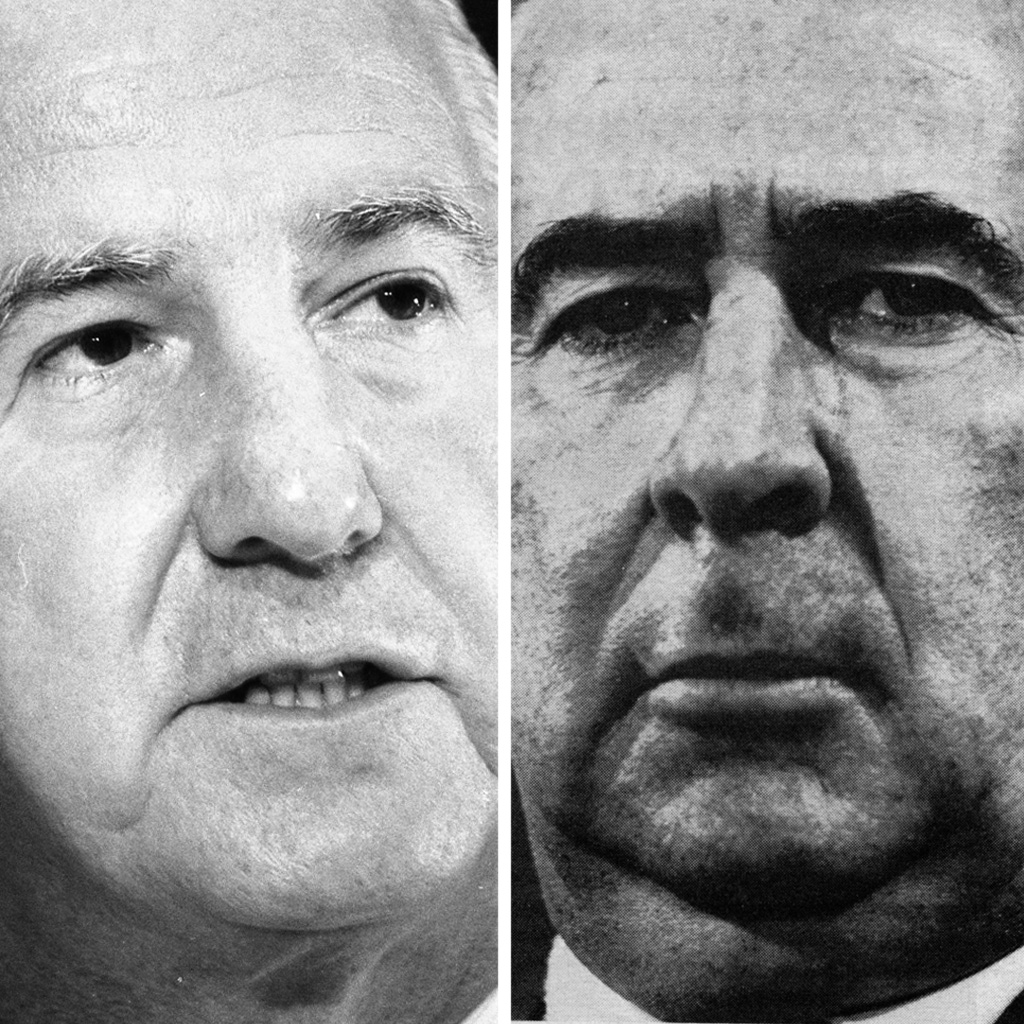
Spiro Agnew (left), Gerald R. Ford Presidential Library and Museum, image No. T25035c1-27; John Mitchell, photo by Steve Northrup in Time Magazine, April 30, 1973, author's collection.

Spiro Agnew (left), Gerald R. Ford Presidential Library and Museum, image No. T25035c1-27; John Mitchell (right), photo by Steve Northrup in Time Magazine, April 30, 1973, author’s collection.

Among the undead is Attorney General John Mitchell, part of the team that shilled for President Nixon by attacking enemies real and imagined in and out of the news media. He’s the one who said Washington Post publisher Katherine Graham is “gonna get her tit caught in a big fat wringer” over exposing a connection between the Watergate burglary and the Nixon re-election campaign. By that time, Mitchell ran the Committee to Re-Elect the President, wonderfully known as CREEP. Continue reading

The Last Cadillac Ride of Jaime Pescado

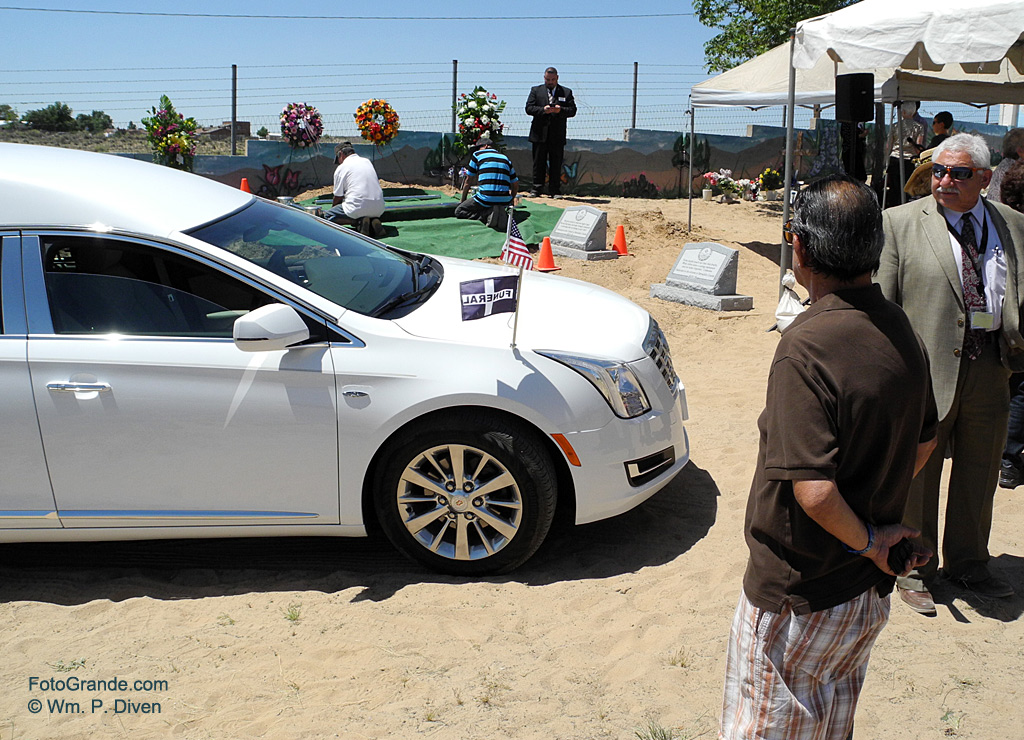
Hell, it might have been Fish’s first Cadillac ride although either way he was just a passenger.

None of us in the news game could afford pricey wheels like the one he cruised in today. Well, maybe, if we picked up an old Fleetwood because it was cheap, didn’t smoke much and was roomy enough to live in, if necessary.

Photo © William P. Diven

Photo © William P. Diven

Continue reading